

As a beginner herb gardener, exploring the world of growing your own herbs can be both exciting and rewarding. Picture yourself stepping into your garden and plucking fresh herbs to elevate your culinary creations. The possibilities with herbs are endless, from enhancing the flavors of your dishes to creating soothing teas and fragrant potpourris. But where do you start? Well, let’s begin our journey by uncovering the secrets behind these twelve easy-to-grow herbs that will kickstart your herb gardening adventure.
1. Chives
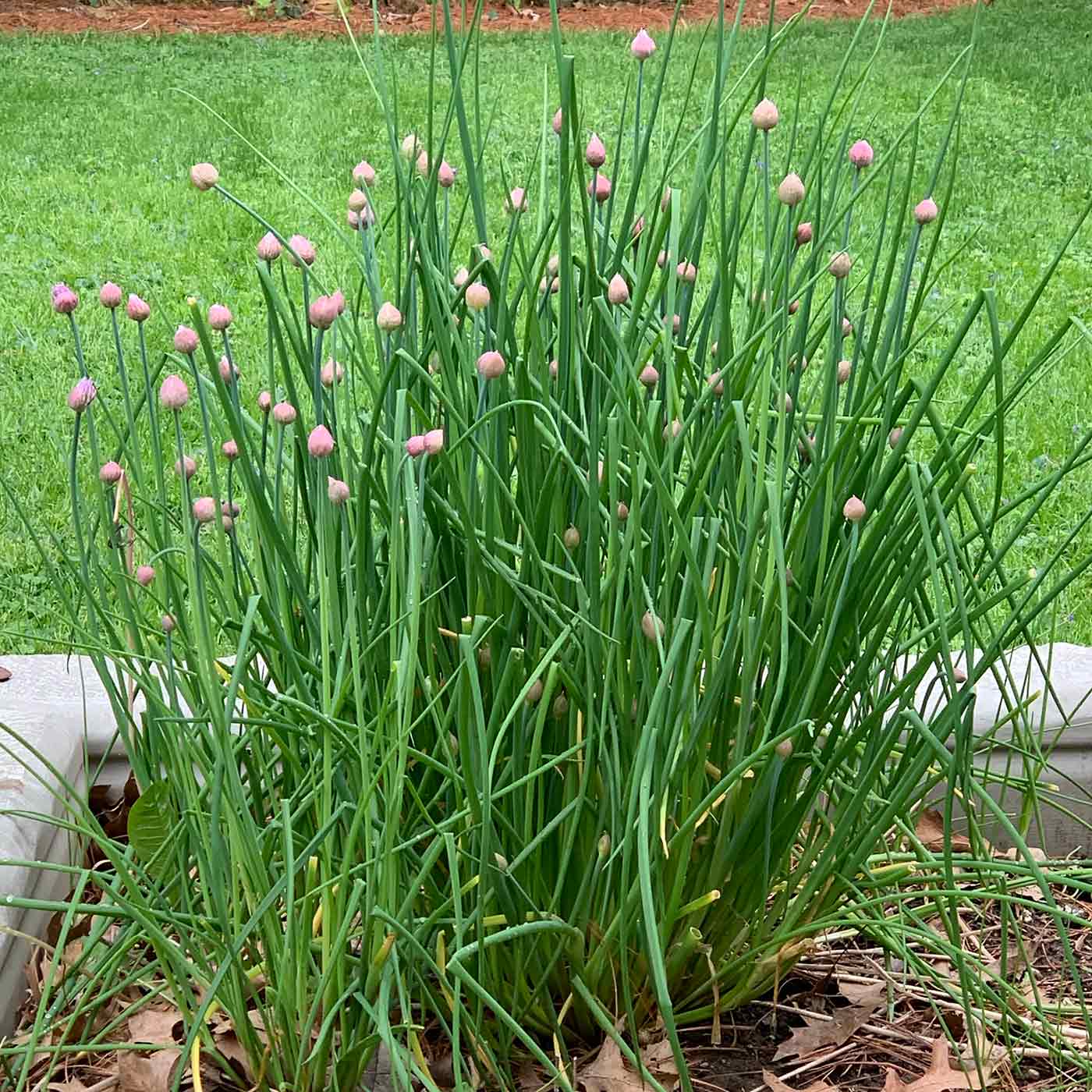
When starting your herb garden journey, consider beginning with chives, the most beginner-friendly herb you can grow.
Chives are hardy perennials that thrive in full sun, making them ideal for any garden. With their mild onion flavor, chives are a versatile culinary herb that can enhance a variety of dishes. They produce delicate pinkish-purple flowers during the growing season, attracting beneficial pollinators to your garden, contributing significantly to local biodiversity and ecosystem health.
Regularly cutting the leaves not only encourages new growth but also ensures a fresh supply for your kitchen. Moreover, deadheading the flowers prevents self-seeding, allowing for better management of your chive plants.
Purchase chive plants locally for a cost-effective alternative to store-bought options. Happy gardening with these delightful and easy-to-grow herbs!
2. Basil

Basil, a fragrant and versatile herb, thrives in warm temperatures and requires ample sunlight to flourish. In your herb garden, make sure to plant basil in an area that receives at least 6-8 hours of full sun daily.
The soil should be well-drained, rich in organic matter to support its growth. Regularly checking the soil’s moisture is key, as consistent watering without over-saturation promotes healthy root and leaf development.
To enhance its flavor, regularly pinch and prune the basil plants to encourage bushier growth and prevent premature flowering. This herb, commonly used in Italian dishes like pesto, can be harvested continuously by picking leaves before flowering.
An interesting fact about basil is that it’s easy to propagate; simply place cuttings in water, and watch as new plants sprout, saving you the need to purchase additional seeds or plants.
3. Mint
Thriving in various growing conditions and offering a burst of refreshing flavor, mint is a versatile herb that’s a must-have in any beginner’s herb garden.
Mint is a fast-growing perennial herb that can be easily contained in a pot due to its aggressive spreading nature. To grow mint successfully, plant it in moist, well-drained soil in a container with enough space for its roots to spread.
Just like spinach, mint requires regular watering to maintain moist soil conditions, ensuring optimal growth and flavor. Water regularly, ensuring the soil is consistently moist.
Mint enjoys partial shade but can tolerate full sun. Harvest the leaves regularly, especially before the plant flowers, to intensify the flavor.
Popular varieties like spearmint, peppermint, and chocolate mint offer different tastes for various culinary uses, from beverages to desserts.
4. Oregano
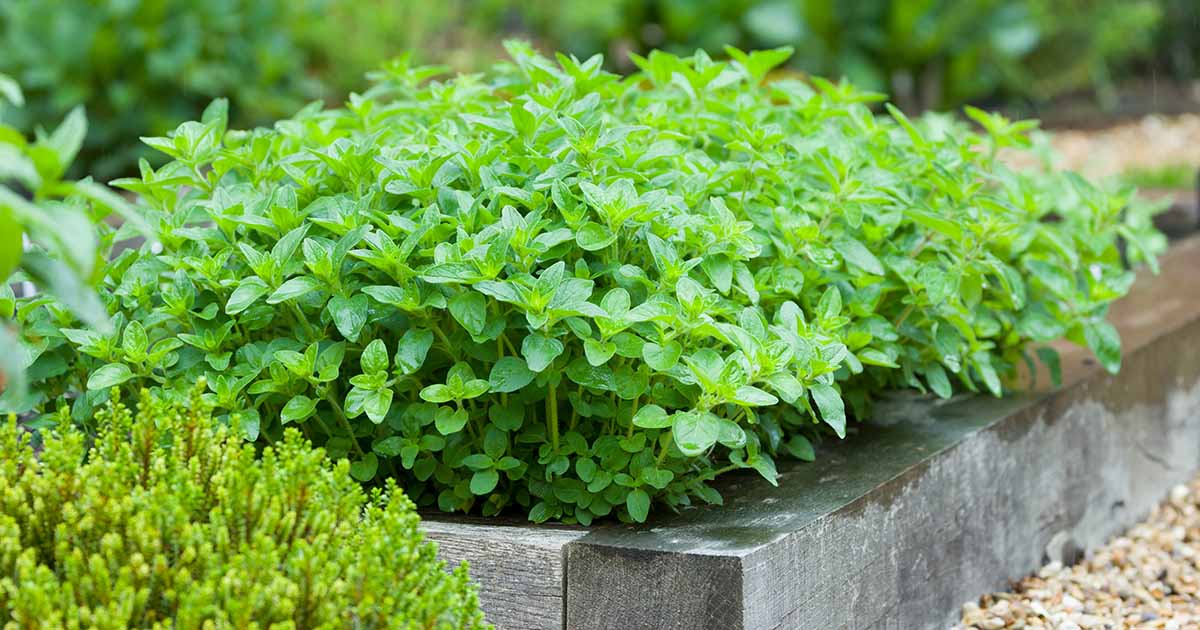
With its robust flavor and versatile culinary applications, oregano is a fantastic herb to add to your garden. This perennial herb thrives in full sun and well-drained soil, making it a great addition to gardens in zones 5-10.
Oregano grows to a height of 1-2 feet and can be easily cultivated in containers or gardens, spaced 8 to 10 inches apart. Its strong flavor enhances Mediterranean and Mexican dishes, with fresh leaves offering a milder taste than dried ones.
As a plant that benefits from balanced feeding, oregano will thrive with regular, moderate fertilization, similar to the practices used for avocado trees. Oregano is drought-tolerant once established, needing minimal watering.
Remember to prune it back in spring for bushy growth. Excess harvest can be dried for long-term storage, with the leaves at their best flavor during midsummer.
5. Parsley

When it comes to growing herbs, parsley is a versatile and nutritious option that deserves a spot in your garden.
The parsley plant thrives in well-drained soil and prefers full sun or partial shade, reaching heights of about 1 foot. It comes in curly and flat-leaf varieties, with flat-leaf parsley favored for its stronger flavor in cooking.
Be patient as parsley seeds can be slow to germinate, but regular harvesting of outer leaves promotes new growth.
This herb isn’t only a garnish but also a nutritious addition to dishes, rich in vitamins A, C, and K. Incorporate parsley in salads, soups, and sauces for both flavor and health benefits.
6. Thyme

Let’s dive into the aromatic world of thyme, a versatile herb that adds depth to your culinary creations.
Thyme is a low-maintenance herb that thrives in well-drained soil and full sun, making it perfect for beginners. Here are some key points about growing thyme:
- Thyme is a ground cover herb that can grow to 6-12 inches in height.
- It enhances the flavor of dishes like roasted vegetables, meats, and soups.
- Regular pruning is essential for maintaining thyme’s bushy growth and preventing legginess.
This herb isn’t only great for cooking but also for making herbal teas.
With its adaptability and resilience, thyme is a must-have for any herb garden.
7. Rosemary

As a beginner herb gardener, diving into the world of rosemary can be a rewarding experience. This easy-to-grow herb thrives in full sun and well-drained soil, making it a low-maintenance addition to your garden.
Rosemary’s aromatic qualities, reminiscent of pine, can enhance various dishes, from roasted meats to vegetables. To keep your rosemary plant healthy, regular minimal pruning is essential to encourage bushier growth. You can use rosemary fresh or dried in cooking, with the leaves harvested before the plant blooms offering the strongest flavor.
With its drought-resistant nature and ability to thrive in zones 7-10, rosemary is a versatile and flavorful herb that will elevate your culinary creations effortlessly.
8. Sage
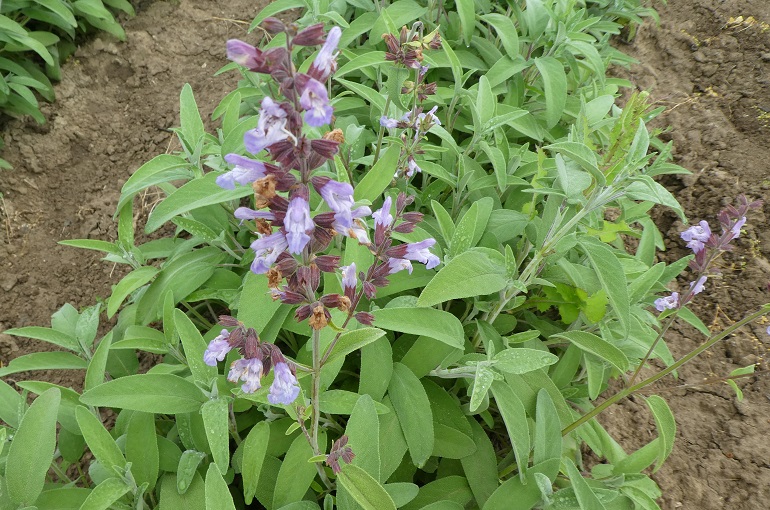
Navigating the realm of herb gardening, the next contender for your green space is sage. This drought-tolerant perennial herb thrives in full sun and well-drained soil, making it an excellent choice for beginners.
Here are some key points about growing sage:
- Full Sun & Well-Drained Soil: Sage needs plenty of sunlight and soil that drains well to flourish.
- Drought-Tolerant: Once established, sage requires minimal watering, perfect for those seeking low-maintenance plants.
- Pruning: Regular pruning is essential to keep your sage plant healthy and bushy, ensuring a steady supply of flavorful leaves for your culinary creations.
Sage’s coarse leaves add a robust flavor to dishes, especially in meats, sauces, and stuffing.
Enjoy the ease of growing this versatile herb in your garden!
9. Dill

Making our way from the robust flavors of sage, we now turn our attention to dill, an annual herb that brings its unique touch to the garden.
Dill thrives in full sun and well-drained soil, reaching a height of 3-5 feet with its feathery leaves and distinct flavor. This herb isn’t only a culinary delight, commonly used in pickles, salads, and various dishes, but also attracts beneficial insects, making it perfect for pollinator-friendly gardens.
To prevent bolting, plant dill in cooler weather, ideally in spring or late summer for a fall harvest.
10. Cilantro

Exploring the world of fresh flavors, Cilantro stands out as a vibrant and versatile herb that can easily enhance your culinary creations.
When growing cilantro, remember these key points:
- Cilantro is fast-growing and thrives in cooler weather, so plant in spring or fall to avoid bolting.
- It requires full sun to partial shade and well-drained soil, reaching a height of 1-2 feet.
- Regular harvesting is crucial to prevent bolting and extend the growing season, with leaves ready for picking within 3-4 weeks of planting.
To ensure a continuous supply of this flavorful herb, plan for successive sowings every few weeks.
Enjoy the fresh taste of cilantro in your dishes by maintaining a healthy and productive cilantro plant.
11. Lemon Balm
Growing Lemon Balm is an enjoyable and rewarding experience for herb enthusiasts looking to add a touch of citrus freshness to their garden. This easy-to-grow herb thrives in full sun to partial shade, requiring moist, well-drained soil.
Lemon balm, with its citrusy flavor and fragrant leaves, can grow 2-3 feet tall, perfect for herbal teas and potpourri. To keep it in check, remove flowers to prevent aggressive spreading.
Regular watering is crucial to maintain soil moisture, but once established, it can handle some drought. Lemon balm is beginner-friendly, low-maintenance, and suitable for both garden beds and container gardens, making it an excellent choice for those starting their herb gardening journey.
12. Lavender

Looking to add a versatile and aromatic herb to your garden or container collection? Lavender is a perfect choice for beginners.
This perennial herb thrives in full sun and well-drained soil, reaching heights of 1-3 feet, ideal for various gardening spaces. Here are some key points to consider:
- Lavender is drought-tolerant, needing minimal watering once established.
- It attracts pollinators like bees, aiding in garden biodiversity.
- Regular pruning promotes bushier growth, preventing woodiness and ensuring a more productive plant.
With its fragrant purple flowers that can be used fresh or dried, lavender adds both beauty and functionality to your herb garden.
Enjoy its benefits while enhancing your gardening skills!