

Boost the health and flavor of your parsley with these top 12 companion plants. Tomatoes enhance health and attract beneficial insects. Peppers shield from pests with complementary roots. Asparagus deters beetles and aids growth. Basil repels pests effectively. Chives boost flavor and repel common pests. Apples, pears, peas, and marigolds deter pests naturally. These plants work harmoniously, reducing pesticide use and enhancing your garden’s aesthetics. Synergistic benefits like weed suppression and pest control await with these carefully selected companions.
Tomatoes

When planting parsley as a companion to tomatoes, you will benefit from the strong scent of parsley enhancing the health and flavor of your tomato plants. The shaded environment provided by parsley also supports the roots of the tomatoes, helping both plants to thrive. Additionally, parsley attracts beneficial insects that aid in natural pest control for the tomato plants. This concept of companion planting between tomatoes and parsley is not only beneficial for the plants individually but also creates a harmonious ecosystem in your garden.
Tomatoes and parsley are well-suited to grow together due to their complementary root systems. The presence of parsley can attract beneficial insects that prey on pests that may otherwise harm the tomatoes. This symbiotic relationship between the two plants not only promotes growth but also helps in maintaining a balanced and healthy garden environment. By strategically planting parsley near your tomatoes, you can create an environment that is conducive to both plants’ well-being.
Peppers

Planting parsley alongside peppers is advantageous due to their mutual benefits in attracting beneficial insects and creating a symbiotic relationship that fosters a healthy garden ecosystem. Peppers serve as excellent companion plants for parsley, as they attract beneficial insects that aid in pest protection for both plants. The root systems of peppers and parsley complement each other, allowing them to thrive harmoniously in close proximity. These two plants share similar growing conditions, making them ideal companions in the garden. By planting parsley near peppers, you can contribute to a more diverse and resilient garden ecosystem. Peppers, in particular, benefit from the presence of parsley since it can help shield them from common pests such as aphids and armyworms. This natural pest protection partnership between parsley and peppers not only benefits the individual plants but also contributes to the overall health and productivity of your garden.
Asparagus

Parsley’s strategic placement near asparagus enhances pest control and overall plant health, establishing a beneficial relationship between the two crops. Asparagus and parsley make excellent companions in the garden due to their synergistic effects on pest management and growth optimization. By incorporating parsley nearby, you not only deter harmful insects like asparagus beetles but also attract beneficial insects that aid in the health of both plants. The pest-deterrent properties of parsley can significantly reduce the need for chemical interventions, promoting a more organic gardening approach. Furthermore, growing parsley between rows of asparagus optimizes garden space, allowing for efficient plant growth and maximizing the productivity of your garden.
| Benefits of Planting Parsley near Asparagus | Effects |
|---|---|
| Pest Control | Deters asparagus beetles |
| Companion Planting | Enhances growth |
| Garden Space Optimization | Efficient use of space |
| Pest-Deterrent Properties | Reduces need for chemicals |
Basil

To maximize the benefits of parsley in your garden, consider incorporating basil as a complementary companion plant due to its flavor-enhancing properties and pest-repelling capabilities. Basil serves as an excellent partner for parsley, enhancing the taste of both herbs when grown together. Moreover, planting basil near parsley can help repel a variety of pests such as aphids, mosquitoes, and flies, ensuring the health of your herb garden. Both basil and parsley share similar requirements in terms of sunlight and watering needs, making them ideal planting partners that are easy to care for. The aromatic oils present in basil not only add to the overall flavor profile but also benefit parsley by deterring harmful insects while attracting beneficial ones, fostering a balanced ecosystem in your garden. Additionally, the combination of basil and parsley creates a visually appealing herb bed that is not only functional but also aesthetically pleasing to the eye.
Chives

Consider incorporating chives as a beneficial companion plant for parsley in your garden due to their shared advantages and synergistic effects. When planting chives alongside parsley, you are not only enhancing the overall health and growth of your herbs but also reaping specific benefits:
- Natural Pest Deterrent: Chives act as a natural repellent for common parsley pests such as aphids and Japanese beetles, helping to protect your parsley crop from infestations.
- Enhanced Flavor: The combination of chives and parsley results in a flavor boost for your dishes, making them more vibrant and delicious.
- Aromatic Properties: Chives possess strong aromatic properties that can help mask the scent of parsley, making it less attractive to pests and further safeguarding your herb garden.
- Visual Appeal: Planting chives and parsley together not only provides functional benefits but also creates an aesthetically pleasing herb garden with a harmonious mix of colors and textures.
Nasturtium

Nasturtiums serve as highly effective companions to parsley, offering natural pest control benefits and vibrant aesthetics to your garden. These colorful flowers act as a natural deterrent to common pests such as aphids, beetles, and whiteflies, protecting your parsley patch without the need for chemical interventions. Additionally, the bright blooms of nasturtiums attract pollinators like bees and butterflies, fostering a more biodiverse and flourishing garden ecosystem.
Beyond their pest-repelling properties, nasturtiums enhance the visual appeal of your garden with their striking hues. Their easy-to-grow nature and minimal maintenance requirements make them a hassle-free addition to your parsley bed. Moreover, the peppery flavor of both the flowers and leaves of nasturtiums can complement various dishes, adding a unique taste to salads and other culinary creations. Consider planting nasturtiums alongside your parsley not only for their practical benefits but also for the aesthetic and flavor enhancements they bring to your gardening experience.
Beans
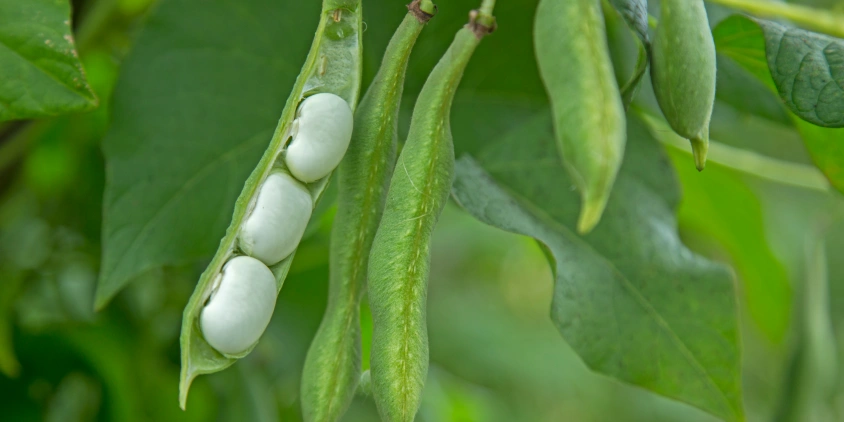
Beans contribute essential nutrients to the soil, benefiting parsley and other companion plants in your garden. When considering planting beans alongside parsley, there are several key factors to keep in mind:
- Nitrogen Fixation: Beans have the ability to fix nitrogen in the soil, which is a vital nutrient for the growth of parsley and many other plants. This symbiotic relationship enhances the overall health of the garden.
- Complementary Growth Habits: Parsley and beans have complementary growth habits, with parsley growing tall and slender while beans tend to climb. This allows them to coexist without shading each other excessively.
- Shade Benefits: Beans can provide shade to parsley plants, which can be advantageous in regions with intense sun exposure. Parsley thrives in partial shade, making beans an ideal companion for regulating light exposure.
- Beneficial Predators: Growing beans near parsley can attract tachinid flies, which are beneficial predators that help control pest populations in the garden. This natural pest management can benefit both plants.
Corn
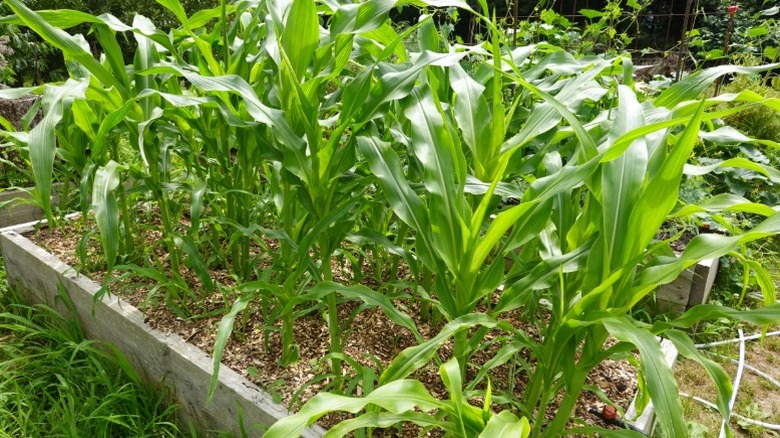
Parsley planted alongside corn creates a mutually beneficial relationship that enhances the health and pest resistance of both plants. When grown together, corn and parsley support each other in the garden, providing favorable conditions for optimal growth. Below is a table highlighting the benefits of companion planting corn and parsley:
| Aspect | Corn | Parsley |
|---|---|---|
| Pest Control | Attracts beneficial insects for pest control | Acts as a natural pest repellent |
| Growing Conditions | Thrives in partial shade | Thrives in similar soil and light conditions |
| Mutual Relationship | Creates a symbiotic environment | Supports each other’s growth and health |
| Garden Benefits | Enhances pest resistance of corn | Improves overall garden health |
| Complementary Traits | Helps deter corn pests like cutworms | Attracts predatory insects for pest control |
Apples

Interplanting apple trees with companion plants like parsley can significantly contribute to the orchard’s pest management strategies. When it comes to apples, parsley serves as a valuable ally in maintaining orchard health. Here’s how:
- Natural Pest Repellent: Planting parsley near apple trees helps repel pests such as codling moths and spongy moths, which can damage the fruit and foliage.
- Attract Beneficial Insects: The flowers of parsley attract beneficial insects like braconid wasps, which are natural predators of harmful pests that may affect apple trees.
- Protective Barrier: Growing parsley around the base of apple trees or in pots near them can act as a protective barrier, deterring pest insects from reaching the trees.
- Ecosystem Health: The presence of parsley in the garden creates a healthier ecosystem, supporting the overall well-being of apple trees by promoting biodiversity and natural pest control mechanisms.
Pears
:max_bytes(150000):strip_icc()/GettyImages-1174195892-df7d21d6841b422fae82bd7464719d26.jpg)
To protect your pear trees from common pests like spongy moths and codling moths, consider planting parsley as a natural deterrent and companion plant. The aromatic properties of parsley help repel these harmful insects, creating a shield around your pear trees. Additionally, parsley attracts beneficial insects such as braconid wasps, which are natural predators of moth larvae, contributing to effective pest control in your garden ecosystem.
Strategically placing parsley around the base of pear trees or in pots near them can significantly aid in pest management. This combination of parsley and pear trees establishes a symbiotic relationship that fosters a healthier garden environment through natural pest management practices. By incorporating parsley into your garden alongside pear trees, you not only deter pests but also promote the overall well-being of your plants, creating a thriving and balanced ecosystem for your garden to flourish.
Peas
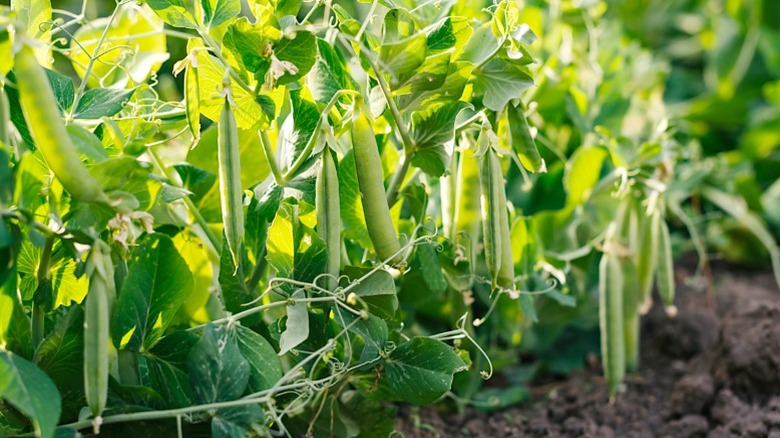
When considering companion planting options for your garden, incorporating peas alongside parsley can offer numerous benefits for both plants. Peas are exceptional companions for parsley due to their ability to add nitrogen to the soil, which is essential for the healthy growth of both plants. Here are some reasons why peas make an excellent companion for parsley:
- Nitrogen Fixation: Peas are nitrogen-fixing plants, enriching the soil with this vital nutrient that parsley can then utilize for its growth.
- Visual Appeal: The leafy, climbing nature of peas complements the upright growth of parsley, creating an aesthetically pleasing garden setting.
- Similar Growing Requirements: Peas and parsley have comparable growing needs, making it convenient to cultivate them together in the same garden area.
- Weed Suppression and Pest Control: Peas help suppress weeds around parsley, while also attracting beneficial insects like tachinid flies that aid in natural pest control, benefiting both plants in the process.
Marigolds
:max_bytes(150000):strip_icc()/GettyImages-1042133726-06d853f2ca954cc08c2d3f53f2d7e631.jpg)
Marigolds, when strategically planted alongside parsley, contribute significantly to fostering a robust and healthy garden ecosystem. These vibrant flowers possess pest-deterring properties that can benefit parsley plants by naturally warding off harmful insects. Companion planting marigolds with parsley not only adds visual appeal to your garden but also serves a practical purpose by reducing the need for pesticides. By incorporating marigolds into your parsley patch, you can create a more sustainable and environmentally-friendly gardening practice.
The combination of marigolds and parsley forms a symbiotic relationship where the marigolds act as protectors, shielding the parsley from potential pests. This natural pest control method not only helps in maintaining the health of your parsley plants but also contributes to a thriving garden ecosystem. Embracing this companion planting approach not only enhances the overall aesthetics of your garden but also promotes a greener way of gardening that reduces reliance on harmful chemicals.