

Did you know that there are flowers out there that can change color? It’s fascinating to witness nature’s subtle yet mesmerizing transformations in blooms like hydrangeas and tulips. Imagine the beauty and mystery behind roses and peonies altering their hues based on external factors. Orchids, with their delicate petals, also hold this enchanting ability. But the real magic lies in the lesser-known varieties like Yesterday-Today-and-Tomorrow and Four O’Clock. These color-shifting flowers offer a glimpse into the intricate dance between science and nature, a spectacle worth exploring further.
1. Hydrangeas

Hydrangeas, renowned for their remarkable ability to transform color, captivate gardeners with their stunning blooms that shift hues based on soil pH levels.
These flowers change their color based on the acidity or alkalinity of the soil they’re planted in. The pigment anthocyanin is responsible for this color transformation, reacting sensitively to the pH levels in the soil.
By manipulating the soil pH using substances like sulfur or lime, gardeners can control the color of hydrangea blooms, with acidic soils producing blue flowers and alkaline soils resulting in pink ones.
Incorporating worm castings into the soil can further enhance the vibrancy of hydrangea colors by providing essential nutrients that affect pigment formation.
Hydrangea macrophylla, among other species, are particularly known for their dramatic color shifts, making them a favorite choice for those seeking vibrant and changing blooms in their gardens.
2. Tulips

Within the realm of botanical wonders, tulips stand as vibrant testaments to nature’s artistry. These flowers exhibit remarkable color-changing abilities, enchanting observers as they transition from one shade to another.
Varieties like Creme Upstar gracefully shift from cream to vivid hues, while the World Expression tulip transforms from a soft yellow to deep red tones, showcasing a captivating evolution in color.
Suncatcher and Caramba tulips offer distinct patterns, with the former boasting yellow bases splashed with cherry red and the latter displaying striking hot pink and white stripes.
Banja Luka tulips, with their large red and yellow feathering, bloom mid-spring, adding visual intrigue to gardens.
Influenced by environmental factors, tulips can undergo seasonal color variations, making them dynamic additions to any floral arrangement.
Similarly, the fall-blooming Sedum adds a robust texture and color to autumn gardens, attracting pollinators and providing lasting interest in the landscape.
3. Roses
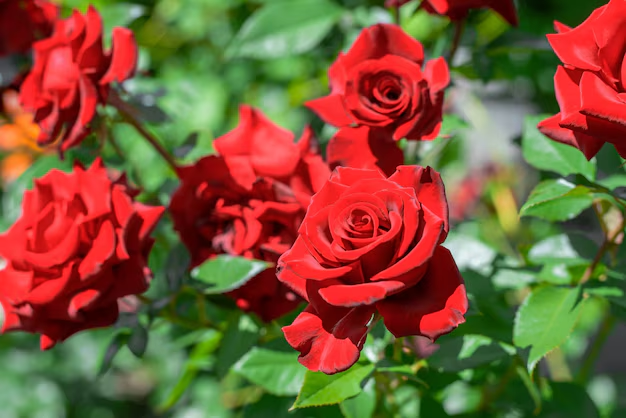
Roses, known for their diverse and captivating colors, exhibit a fascinating phenomenon of color transformation as they bloom. Certain rose varieties, such as the Joseph’s Coat, start as red and evolve into coral and gold before returning to red.
Color changes in roses can be influenced by environmental factors like temperature, light exposure, and seasonal variations. The Mutabilis rose changes colors from yellow to pink and then crimson, displaying a dynamic range of hues.
Like pansies, roses can also show resilience in colder climates, adapting their growth and coloration in response to changing temperatures.
Grafting techniques in rose cultivation can impact color changes, with some grafted varieties showing more pronounced shifts.
Roses use color changes to signal their health; stress from disease or environmental conditions may alter their pigmentation, indicating the need for care.
4. Peonies

Peonies, renowned for their captivating blooms and color diversity, exhibit a remarkable ability to undergo color changes as they mature.
These exquisite flowers can start as a pristine white and transform into various shades like soft pink, vibrant red, or even coral tones.
The color transition in peonies is a complex process influenced by environmental factors, including temperature fluctuations and sunlight exposure.
Such conditions impact the production of pigments within the petals, leading to the stunning color shifts observed in these plants.
With their long vase life of about a week, peonies retain their colors and freshness well after being cut, making them a popular choice for floral arrangements and garden displays seeking dynamic color variation throughout the blooming season.
5. Orchids

How do orchids, known for their intricate beauty and vast array of colors, undergo fascinating color transformations throughout their blooming cycle?
Orchids, with their mesmerizing hues and delicate petals, offer a captivating display of nature’s artistry. Here are some intriguing facts about the color changes in orchids:
- Certain orchid varieties, like the Phalaenopsis, can shift from brighter to deeper shades as they age.
- Temperature and light exposure play a significant role in influencing the pigmentation of orchids, leading to variations in color intensity and hue.
- The Dendrobium orchid may exhibit a mix of colors within the same flower, creating a visually striking effect as it matures.
- Environmental stressors, such as changes in humidity or nutrient availability, can trigger color changes in orchid flowers.
- Orchids can change color based on their bloom stage, with buds opening in one color and gradually deepening or altering as they mature.
6. Lilies

Moving from the enchanting world of orchids to the vibrant realm of lilies, we delve into the captivating color transformations found in these elegant flowers.
Lilies, including Asiatic and Oriental varieties, exhibit striking color changes as they bloom, shifting from lighter tones to richer shades. Factors like soil pH and light exposure play a pivotal role in influencing the petal pigmentation of lilies, leading to variations in color intensity.
Hybrids such as the Stargazer lily may start off with a pale hue that matures into a vibrant pink with dark markings. Some lilies, like the Tiger lily, display inner petals of a different color than the outer ones, creating a gradient effect.
Temperature and humidity levels also impact the vividness of colors in lilies, with cooler conditions often enhancing the vibrancy of their blooms.
7. Hibiscus

With its striking ability to undergo a rapid color transformation within a single day, the Hibiscus mutabilis, also known as the cotton rose, captivates observers with its unique floral display.
The magic of color-changing flowers unfolds as these blooms open white in the morning and transition to a soft pink by afternoon.
Here are some fascinating facts about the Hibiscus mutabilis:
- Thrives in warm, moist environments
- Prefers well-drained soil for optimal growth
- Attracts a variety of pollinators, including bees and butterflies
- Can grow up to 10 feet tall as a deciduous shrub
- Hardy and tolerant of drought, making it low-maintenance for vibrant color changes throughout the day.
8. Yesterday-Today-and-Tomorrow

The Yesterday-Today-and-Tomorrow (Brunfelsia grandiflora) plant is renowned for its captivating display of color-changing blooms, transitioning gracefully from shades of lavender or purple to a pristine white hue over several days.
This intriguing phenomenon of color change in the flowers adds a touch of transient beauty to the landscape. The blooms of this plant, thriving in warm climates and benefiting from morning sunlight, exhibit a unique charm by showcasing multiple colors simultaneously.
As the flowers mature, the gradual shift in color not only enchants the observer but also serves a vital ecological purpose by attracting pollinators, aiding in the plant’s reproductive success.
The name “Yesterday-Today-and-Tomorrow” aptly captures the ephemeral nature of these blooms, symbolizing the passage of time in the natural world.
9. Mutabilis Rose

Amidst the realm of botanical wonders, the Mutabilis rose (Rosa mutabilis) stands out as a remarkable specimen known for its remarkable color-changing characteristics throughout its blooming journey.
The petals of this rose transform from yellow to pink and finally to crimson as they mature, creating a captivating display in any garden setting.
- Exhibits an intriguing color change from yellow to pink to crimson
- Hardy and drought-tolerant, suitable for various gardening conditions
- Continuous blooming habit provides vibrant color from spring through fall
- Delightful fragrance attracts pollinators like bees and butterflies
- Resilient against common pests and diseases, making it a favored choice for gardeners of all levels
10. Calibrachoas

As we explore the realm of color-changing botanical wonders, our focus now shifts to Calibrachoas, commonly referred to as million bells.
These vibrant flowers are popular for their cascading growth habit, making them a perfect choice for hanging baskets and window boxes. The new Superbells variety of Calibrachoas introduces color-changing flowers like the Prism Pink Lemonade, which transitions from a delicate pink to a more vivid hue as it matures.
Thriving in full sun and well-drained soil, these low-maintenance plants not only provide a pop of color but also attract beneficial pollinators like bees and butterflies, contributing to garden biodiversity.
In cooler climates, they’re grown as annuals, while in warmer regions, Calibrachoas can behave as perennials, ensuring a colorful display throughout the growing season.
Make sure to fit your cups with these delightful million bells for a stunning floral showcase.
11. Four O’Clock

Within the realm of botanical wonders, the Four O’Clock plant, scientifically known as Mirabilis jalapa, stands out for its remarkable ability to showcase a myriad of colors on a single plant.
These flowers, known for their vibrant hues, often turn pink as they age. Here are some fascinating facts about Four O’Clocks:
- Four O’Clocks bloom in shades of pink, yellow, red, and white simultaneously.
- The flowers open in the late afternoon, changing colors over the course of a day.
- Thriving in well-drained soil, they prefer full sun to partial shade.
- Their fragrant blooms attract hummingbirds and butterflies, enhancing garden biodiversity.
- Growing up to 3 feet tall, they make colorful borders or ground cover in garden beds.