

To remove roots from your garden soil effectively, start by carefully locating the root system. Use shovels, picks, or mattocks to dig around the roots precisely, then pull or cut them out. Fill the holes with fresh soil after removal. Employ chainsaws, axes, or shears for large roots and sharp spades or root saws for thick ones. Loosen compacted soil with a spade or fork, add organic matter, and pre-water before extraction. Utilize tools like rototillers, soil augers, and pickaxes. To speed up decomposition, incorporate compost or mulch. By combining these methods, you’ll ensure a root-free garden soil.
1. Manual Removal Techniques

For effectively removing roots from garden soil, manual removal techniques are often the first step in the process. When dealing with plant roots, it is crucial to carefully locate the root system, dig around it with precision using tools like shovels, picks, or mattocks, and then proceed to either pull or cut the roots out of the soil. The key is to remove as much of the root system as possible to prevent regrowth and any potential future issues in your garden.
Manual removal can be a time-consuming and labor-intensive task, especially when dealing with large root systems or deeply embedded roots. However, the effort put into manual removal pays off in preventing further complications down the line. After successfully removing the roots, remember to fill the holes left behind with fresh soil to promote healthy soil structure and consider planting new vegetation to rejuvenate the area. This process ensures that your garden remains healthy and free from any root-related problems.
2. Utilize Root Cutting Tools

When tackling stubborn roots in your garden soil, the key lies in utilizing the right root cutting tools and techniques. Chainsaws, axes, and shears are excellent options for efficiently removing large roots. Choosing the appropriate tool for the job can make the process smoother and more effective.
Best Root Cutting Techniques
To effectively remove roots in garden soil, utilizing root cutting tools is essential for precise and efficient results. When planting new greenery, adding organic matter to the soil can encourage healthy growth. For cutting through thick roots cleanly and effectively, a sharp spade or root saw is your best bet. These tools provide the strength and precision needed for tackling larger roots with ease. For smaller roots requiring more delicate cuts, loppers and pruning shears work well to ensure accuracy. If you’re dealing with large roots that need to be removed quickly, a chainsaw can be a powerful tool, but caution and skill are crucial when operating it. Additionally, a reciprocating saw with a demolition blade can swiftly handle challenging root systems in the soil. Remember, keeping all cutting tools sharp and well-maintained is key to making clean cuts and minimizing damage to surrounding plants and soil.

Choosing the Right Tools
Are you wondering which root cutting tools are best suited for efficiently removing roots from your garden soil? When dealing with tree roots, tools like chainsaws, axes, and shears can be your best allies. Chainsaws are perfect for tackling thick roots that require a powerful cutting force. On the other hand, axes are more suitable for smaller roots that need precise chopping. Shears come in handy when you need to delicately cut smaller roots that are intertwined with other plants or structures. Choosing the right tool not only simplifies the root removal process but also ensures the safety of both yourself and your garden. Remember to wear proper protective gear, including gloves, goggles, and sturdy footwear to prevent injuries. By using the appropriate tools for the job, you can efficiently remove roots without causing damage to surrounding plants or disturbing the organic matter in your garden soil.
3. Loosen Soil for Easy Extraction
To prepare the soil for efficient root extraction, start by using a garden fork or tiller to break up the compacted earth. This step will make it easier to access the roots and reduce the effort needed for removal. Properly loosening the soil is crucial for minimizing root damage and ensuring a successful extraction process.

Soil Loosening Techniques
Loosening the soil in your garden is essential for easy extraction of roots, and various techniques can help facilitate this process. To effectively loosen the soil for root removal, consider the following expert tips:
- Use a spade or fork: Breaking up compacted areas with a spade or fork can make it easier to extract roots by loosening the soil.
- Add organic matter: Incorporating compost or peat moss into the soil can enhance its structure, reducing density and aiding in root removal.
- Utilize a broadfork or tiller: Tools like a broadfork or tiller can help aerate the soil, breaking up clumps and easing the extraction of roots.
- Pre-water the soil: Soften the ground by watering it before attempting root removal, making it less resistant to extraction.
- Apply soil conditioner or gypsum: Using a soil conditioner or gypsum can effectively break up compacted soil, making it easier to remove roots.
Tools for Soil Prep
Break through compacted soil effortlessly with the right tools to prepare the ground for easy root extraction in your garden. Start by using a rototiller or garden fork to aerate the soil, making it easier to access and remove roots. Consider employing a soil auger to drill deep holes, reaching stubborn roots deeply embedded in the ground. For breaking up hard soil around roots, a pickaxe or mattock can be effective in facilitating extraction. When dealing with smaller surface roots, a shovel or spade can help cut through them before pulling them out. For larger roots, a root saw or reciprocating saw with a pruning blade attachment is ideal for root pruning before removal. Remember, employing the right tools not only makes the task easier but also sets the stage for successful root removal. Additionally, consider plant companionship, as certain plants can naturally help break up compacted soil, making root extraction a smoother process.

Efficient Root Removal
Effortlessly create space for root extraction by gently breaking up the soil around the roots using a garden fork or shovel. This simple technique can significantly aid in the removal process by reducing compaction and resistance. To ensure a smooth extraction, consider the following root removal hacks and quick extraction tips:
- Soften the Soil: Lightly wetting the soil before loosening can help soften it, making it easier to work with.
- Use the Right Tools: Opt for a garden fork or shovel to delicately break up the soil without causing damage to the roots.
- Avoid Excessive Force: Be gentle when loosening the soil to prevent harm to the roots or surrounding plants.
- Save Time and Effort: Loosening the soil before attempting root removal can save you time and effort in the long run.
- Efficient Gardening Techniques: Incorporate these efficient gardening techniques to streamline the root removal process and maintain the health of your garden.
4. Natural Decomposition Methods
:max_bytes(150000):strip_icc()/SPR-ways-to-kill-a-tree-stump-7500817-step-05-dc4ab2454c6049658d89aa3aaaf4d976.jpg)
To naturally decompose roots in garden soil, consider incorporating methods that leverage microbial activity and beneficial organisms. Root decomposition strategies involve allowing natural processes to break down roots gradually. By adding organic matter such as compost or mulch to the soil, you provide food for microbes and create a conducive environment for beneficial organisms like earthworms and fungi to thrive. These organisms play a crucial role in breaking down roots efficiently. The decomposition timeline can vary depending on the thickness and density of the roots, but this cost-effective and environmentally friendly method ensures the gradual clearance of root-choked soil. Below is a table outlining some key aspects of natural decomposition methods:
| Aspect | Description | Benefits |
|---|---|---|
| Organic Matter Additions | Incorporating compost, mulch, or other organic materials into the soil | Provides food for microbes |
| Microbial Activity | Microbes breaking down roots through natural processes | Accelerates root decomposition |
| Beneficial Organisms | Earthworms and fungi aiding in the decomposition process | Enhances the breakdown of root mass |
5. Leave Roots to Break Down Naturally

Allowing roots to naturally decompose in the soil can significantly benefit your garden’s overall health and vitality. As roots break down, they contribute to soil enrichment, providing essential nutrients for your plants. This organic decomposition process not only adds valuable organic matter to the soil but also enhances its fertility. Here are some key benefits of leaving roots to break down naturally:
- Soil Enrichment: Decomposing roots release nutrients back into the soil, acting as a natural fertilizer.
- Aeration Benefits: As roots decay, they create pathways for air and water to penetrate the soil, improving drainage and aeration.
- Microbial Activity: Beneficial microorganisms in the soil help break down roots, further enhancing soil health.
- Eco-Friendly Practice: Opting for natural root decomposition is environmentally friendly and sustainable, reducing the need for harmful chemicals.
- Patience is Key: While this method requires patience, the long-term benefits for your garden’s soil quality and plant growth are worth the wait.
6. Plant Cover Crops for Soil Health

Planting cover crops such as legumes, clover, or rye is a highly effective method to enhance soil health and vitality in your garden. These cover crops offer numerous benefits, including soil enrichment, weed suppression, erosion prevention, and improved water and nutrient absorption. The roots of these crops penetrate deep into the soil, breaking up compacted areas and promoting a healthier soil structure.
By rotating cover crops seasonally, you can disrupt pest and disease cycles, fostering a balanced ecosystem in your garden. This crop rotation benefits the soil by adding organic matter and nutrients, reducing the need for synthetic fertilizers. Additionally, cover crops contribute to sustainable gardening practices by naturally improving soil fertility and structure without the use of harsh chemicals.
Incorporating cover crops into your gardening routine is a smart way to promote soil health, increase productivity, and support a more environmentally friendly approach to gardening.
7. Mulching for Decomposition Support
To support the natural decomposition of roots in your garden soil, mulching with organic materials is key. Wood chips or compost can provide the necessary environment for beneficial microorganisms to break down old roots effectively. Remember, a well-mulched garden not only aids in root decomposition but also promotes soil health and the growth of new plant roots.

Mulch Benefits
By mulching your garden soil, you can effectively support the decomposition of roots by creating an optimal environment for natural breakdown processes. Here are some key benefits of mulching for decomposition support:
- Moisture Retention: Mulch helps retain moisture in the soil, promoting a favorable environment for the natural decomposition of roots.
- Weed Suppression: Mulch acts as a barrier, suppressing weed growth. This reduces competition for nutrients, allowing the decomposition of roots to proceed efficiently.
- Nutrient Competition: Mulch competes with weeds for nutrients, ensuring that the soil’s resources are available for the breakdown of roots.
- Protective Barrier: Mulch serves as a protective layer against extreme temperatures, safeguarding the roots as they decompose.
- Soil Health: Regularly replenishing mulch supports a healthy soil ecosystem, enhancing the decomposition process in your garden.
Incorporating mulch into your gardening routine can significantly aid in the decomposition of roots while benefiting overall soil health.
Mulching Techniques
Utilizing proper mulching techniques is essential for efficiently supporting the decomposition of roots in garden soil over time. When it comes to mulch application, opt for organic materials such as wood chips or leaves. These materials not only break down slowly, releasing nutrients into the soil, but also act as a protective barrier, retaining moisture and regulating soil temperature. By layering mulch around plants, you create an environment that fosters beneficial microbial activity, aiding in root breakdown and soil enrichment.
Regular mulching is key to gradually breaking down roots and improving overall soil health. As the mulch decomposes, it enriches the soil with essential nutrients, promoting healthier plant growth. Moreover, mulching suppresses weed growth, reduces soil compaction, and enhances soil structure. Embracing mulching as a technique for organic decomposition not only supports the natural breakdown of roots without harsh chemicals but also proves to be a cost-effective and environmentally friendly method for maintaining a thriving garden ecosystem.
8. Encourage Soil Organisms
Enhance the health of your garden soil by fostering the presence of beneficial soil organisms such as earthworms and microorganisms. By encouraging a diverse community of soil organisms, you can promote microbial support, introduce organic amendments, and cultivate a living soil environment. Here are five expert tips to encourage soil organisms effectively:
- Introduce Earthworms: Earthworms are excellent decomposers and can help break down old roots efficiently.
- Use Organic Matter: Incorporate compost and organic materials into your soil to provide food sources for beneficial microorganisms.
- Avoid Harmful Chemicals: Pesticides and synthetic fertilizers can harm soil organisms, so opt for natural alternatives.
- Maintain Adequate Moisture: Soil organisms thrive in moist conditions, so ensure your soil is neither too dry nor waterlogged.
- Practice Crop Rotation: Rotate your plantings to support a diverse soil ecosystem and prevent the buildup of harmful pathogens.
Fostering a healthy soil environment rich in beneficial organisms will not only aid in root decomposition but also boost overall soil fertility and plant growth in your garden.

9. Bacterial Breakdown Assistance
Introduce beneficial bacteria to your garden soil to facilitate the breakdown of organic matter, including roots, effectively and naturally. By incorporating bacterial inoculants or microorganism-rich compost, you can accelerate the decomposition process, aiding in root removal and enhancing soil health. These beneficial bacteria act as decomposition support, breaking down old roots without the need for harsh chemicals.
To better understand the benefits of bacterial breakdown assistance, let’s take a look at the advantages of using compost rich in microorganisms:
| Benefits of Bacterial Breakdown Assistance |
|---|
| Accelerates decomposition process |
| Enhances soil health |
| Facilitates root removal |
| Eco-friendly and natural approach |
10. Prevent Future Root Growth
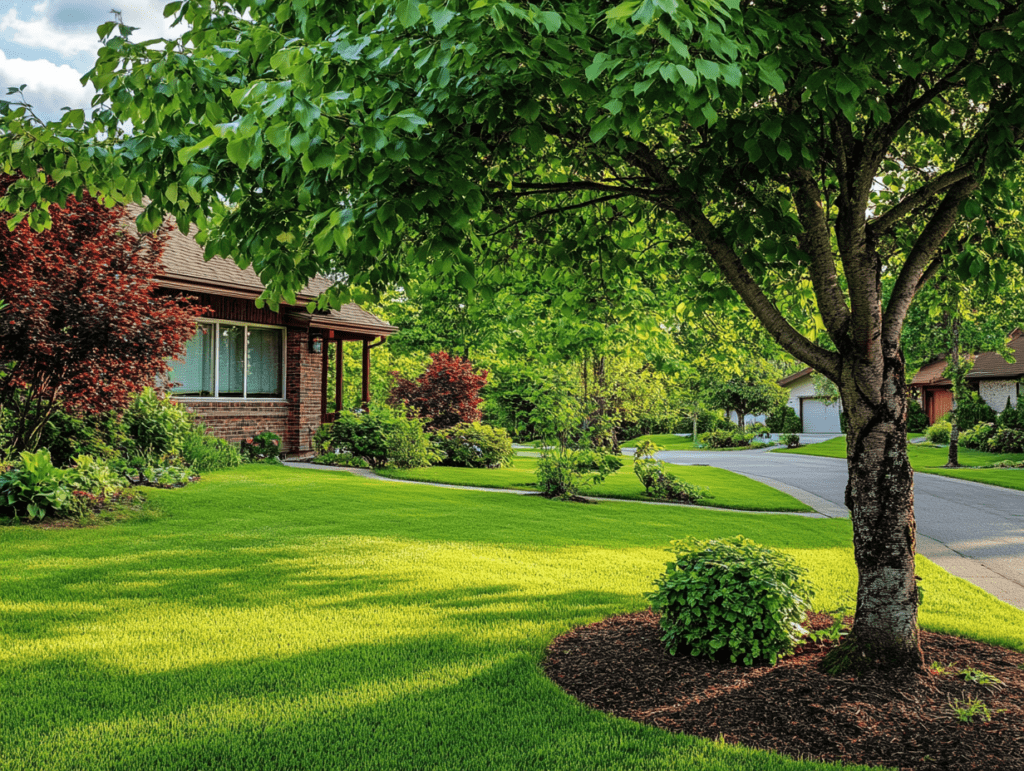
To prevent future root growth issues in your garden soil, consider planting trees with non-invasive root systems. Opting for trees that are less likely to cause trouble underground can save you from dealing with invasive root problems later on. In addition to thoughtful tree selection, implementing root barrier installation can be a proactive measure to control root expansion and protect the soil health in your garden. Here are some expert tips to prevent root intrusion and maintain a healthy garden:
- Use root barriers or physical barriers like concrete or metal to block root expansion into unwanted areas.
- Regularly prune tree roots to prevent them from spreading uncontrollably and causing soil choking in the garden.
- Implement proper watering techniques to keep roots near desired plants hydrated and discourage excessive root growth.
- Monitor and address any signs of root invasion promptly to prevent extensive damage to garden soil and surrounding plants.
- Consider tree root containment strategies when planning your garden layout to avoid future root-related issues.