
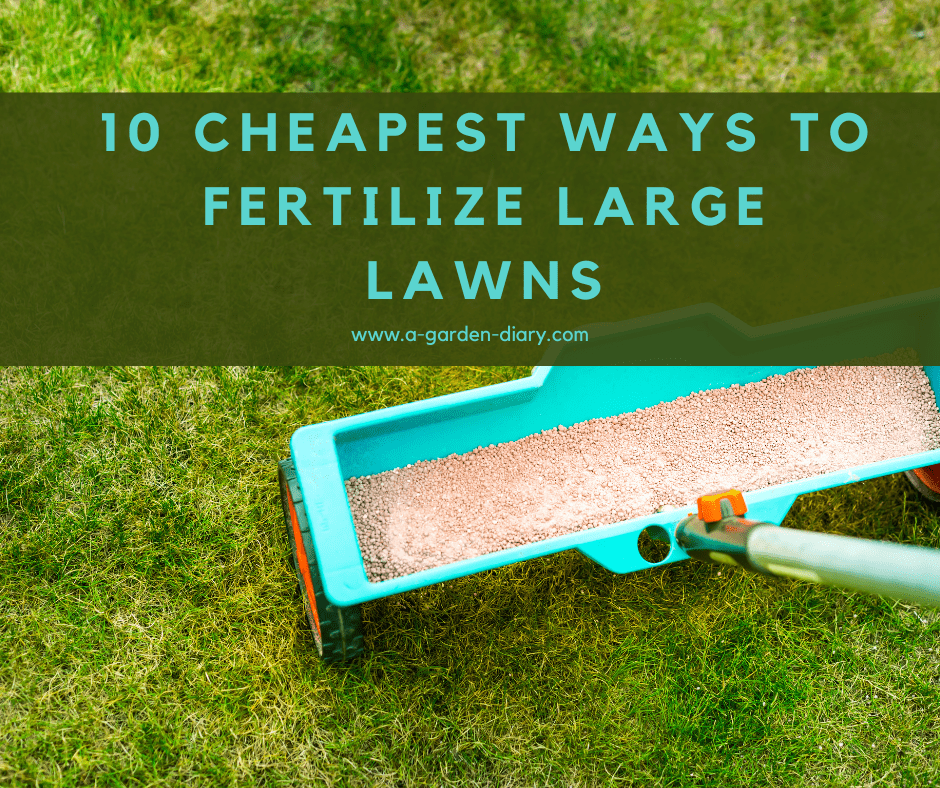
When it comes to fertilizing large lawns without breaking the bank, I’ve discovered some incredibly cost-effective methods that might just surprise you. From bulk purchasing discounts to organic alternatives, there are numerous ways to keep your lawn healthy without draining your wallet. So, if you’re looking to save some serious cash while still achieving lush greenery, keep on reading for my top ten tips on the cheapest ways to fertilize those expansive lawns.
1. Bulk Purchase Discounts
When it comes to fertilizing large lawns, exploring bulk purchase discounts can be a game-changer in terms of cost efficiency.
Opting for larger quantities, like 15,000 sq ft bags, of organic fertilizers can lead to significant savings per application. Many suppliers offer discounts for bulk purchases, making it a practical choice for feeding your lawn.
Buying in bulk not only reduces the price per unit but also cuts down on the frequency of shopping trips, saving time and fuel. Additionally, group buying with neighbors can further enhance discounts.
Remember, selecting the right fertilizer composition, tailored to your grass type, can significantly impact lawn health and growth. Healthy soil is crucial for all grass types, and using bulk organic fertilizers can help maintain a lush, green lawn economically.
Look out for seasonal sales to maximize savings on lawn fertilizers.
2. Seasonal Sales and Off-Season Shopping
Seasonal sales and off-season shopping present excellent opportunities for cost-conscious lawn owners to obtain fertilizers at discounted prices. During these times, retailers offer discounts on fertilizers to clear out inventory for new stock, making it advantageous for bulk purchases.
Late fall and winter are particularly good for off-season shopping when prices drop due to decreased demand, allowing for cost-effective stocking up on lawn care products like fertilizers.
Similarly, sustainable living practices from home gardening can also provide eco-friendly options for fertilizing, such as using homemade compost which can enrich soil without the need for commercial products.
Take advantage of promotions, coupons, and clearance items offered by local hardware stores and online retailers during seasonal shifts to save on lawn fertilizers.
Buying in bulk during off-peak seasons can significantly reduce the cost per application, especially when purchasing large bags for extensive coverage.

3. Coupons and Promotions Utilization
Regularly scouring for coupons and promotions is a savvy way to save on lawn fertilizers. By being vigilant, you can capitalize on various cost-saving opportunities.
Here are some practical tips to maximize your savings:
- Exclusive Discounts: Sign up for email newsletters to access exclusive promotions. Additionally, consider exploring specialty plant nurseries which might offer unique deals on garden supplies including fertilizers.
- Buying with Neighbors: Consider group buying to enjoy discounts on bulk purchases.
- End-of-Season Sales: Look out for clearances and sales at the end of the season for substantial price cuts.
- Loyalty Programs: Utilize store loyalty programs for additional savings on your fertilizer purchases.
These strategies can help you make the most out of your budget while ensuring your lawn stays healthy and vibrant.
4. Group Buying Benefits
Utilizing group buying for lawn fertilizers presents a cost-effective solution for individuals looking to maintain large lawns without breaking the bank. By pooling resources with neighbors or local gardening clubs, the financial burden of purchasing fertilizers in bulk can be shared, making high-quality products more affordable.
Group buying not only reduces costs but also opens the door to negotiated discounts from suppliers, who often offer better prices for larger orders. This approach fosters community engagement and knowledge sharing, allowing participants to exchange insights on effective fertilization practices and compare results from different products.
Additionally, leveraging seasonal promotions and clearance items through group buying can further enhance savings, especially during off-peak times when fertilizer prices are typically lower.
5. Clearance Item Opportunities
When considering fertilizing large lawns on a budget, exploring clearance item opportunities can be a savvy strategy to maximize savings and still maintain a healthy lawn.
- Keep an eye out for clearance items at big box stores for significant discounts on fertilizers, especially during seasonal transitions.
- During late summer or early fall, savings of up to 50% on fertilizers can be found compared to regular prices.
- Check the gardening aisle during holiday sales for slow-release and organic fertilizers on clearance that can be stored for future use.
- Online retailers often offer discounted bulk fertilizer options in their clearance sections, making it cost-effective for large lawns.
6. Building Supplier Relationships
Establishing strong relationships with local suppliers is a key strategy for cost-effective lawn care maintenance. By fostering a rapport with suppliers, you gain access to exclusive deals and bulk purchasing options that decrease the cost per application for large lawns.
Regular communication helps you stay informed about seasonal sales, promotions, and clearance items, enabling significant savings on fertilizer purchases. Many suppliers offer loyalty programs or discounts for frequent buyers, making it financially beneficial to maintain long-term partnerships.
Negotiating bulk purchases, such as 15,000 sq ft bags, directly from suppliers often results in lower rates than retail prices. Additionally, participating in collective purchasing with neighbors leverages buying power, leading to further discounts on fertilizers and other lawn care products.
7. Application Frequency Considerations
In considering the optimal application frequency for fertilizing large lawns, it’s essential to tailor the schedule to the specific needs of the grass and soil conditions.
When planning how often to fertilize your lawn, take into account factors such as the type of grass you have and the type of fertilizer being used.
Here are some key considerations to keep in mind:
- Adjust frequency based on grass type (warm-season vs. cool-season).
- Utilize slow-release fertilizers to extend nutrient availability.
- Organic fertilizers may require less frequent applications due to their slower release rate.
- Incorporate biostimulants in mid-spring to potentially reduce the need for frequent fertilization later in the season.

8. Organic Fertilizer Alternatives
To effectively nourish large lawns in a cost-efficient manner, exploring organic fertilizer alternatives can offer a sustainable and budget-friendly approach.
Organic fertilizers like compost and well-rotted manure not only provide essential nutrients but also improve soil structure and health gradually.
Incorporating clover into your lawn can act as a natural nitrogen source, reducing the need for additional fertilizers while enhancing soil fertility through nitrogen fixation.
Homemade organic fertilizers, such as coffee grounds, can be a cheap yet effective alternative, adding nitrogen and improving soil structure.
Epsom salt, when dissolved in water and applied to lawns, boosts nutrients at a low cost, promoting chlorophyll production and overall plant health.
Additionally, utilizing compost tea enriches the soil with beneficial microbes, enhancing nutrient availability and improving soil health for your organic lawn.
9. Weed Control Cost-Effective Strategies
Exploring efficient ways to control weeds on large lawns can lead to significant cost savings and improved overall lawn health.
When considering weed control, here are some cost-effective strategies to enhance the effectiveness of your lawn care routine:
- Utilize pre-emergent herbicides like Prodiamine for proactive weed control.
- Opt for concentrated post-emergent weed management products such as WeedBGon with Quinclorac.
- Apply weed control selectively to reduce waste and unnecessary chemical use.
- Adjust weed control strategies seasonally by combining slow and fast-acting herbicides.
10. Grasscycling and Composting Benefits
Considering the lawn care strategies discussed earlier, it becomes evident that grasscycling and composting offer substantial benefits for maintaining a healthy and thriving lawn ecosystem.
Grasscycling involves leaving grass clippings on the lawn after mowing, returning up to 25% of the lawn’s nitrogen needs to the soil. An average half-acre lawn can provide 3-4 lbs of nitrogen annually through grass clippings, reducing the necessity for additional fertilization.
Composting kitchen scraps and yard waste creates a nutrient-rich amendment that enhances soil structure and supplies slow-release nitrogen, decreasing the reliance on synthetic fertilizers.
Applying compost in early spring fosters healthy grass growth, curbing nutrient leaching, and proving cost-effective compared to traditional fertilizers.
Incorporating clover further reduces the need for synthetic fertilizers, offering a sustainable and low-maintenance alternative.