
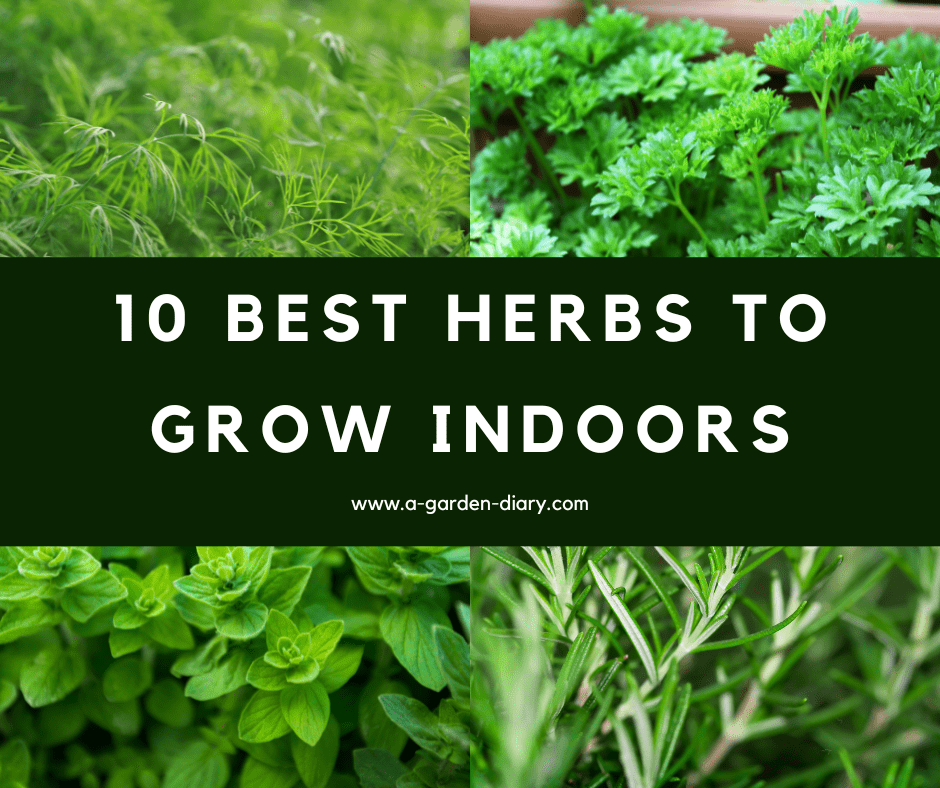
Growing herbs indoors can be a rewarding experience, adding fresh flavors to your dishes and a touch of greenery to your home. As I share the top 10 herbs that thrive in indoor environments, you might just discover a new hobby that not only elevates your cooking but also enhances your living space. These versatile herbs bring a burst of aroma and taste to your meals, making them a must-have for any kitchen. So, why not bring a bit of the outdoors inside and explore the world of indoor herb gardening?
1. Basil

Basil, a popular herb known for its aromatic leaves and culinary versatility, thrives in indoor environments where it can bask in warm temperatures ranging between 65-75°F.
To cultivate fresh basil indoors successfully, ensure it receives 6-8 hours of direct sunlight or supplement with grow lights.
Like succulents, basil benefits from well-draining soil, enhancing its growth by preventing water stagnation around its roots.
Plant basil in well-draining potting mix, allowing the top inch of soil to dry between waterings to prevent root rot.
Harvest by pinching leaves from the top to encourage bushier growth throughout the growing season.
Mature basil plants can reach heights of 12 to 24 inches, making containers with drainage holes essential for healthy roots.
2. Chives

Chives, scientifically known as Allium schoenoprasum, are versatile herbs that flourish in indoor settings, offering a mild onion-like flavor that complements a variety of culinary creations.
When growing chives indoors, ensure they’ve good air circulation and receive ample sunlight exposure. Chives are ideal for indoor herb gardens due to their hardy nature and ability to thrive in pots.
Harvest chives by cutting the leaves near the base for fresh use in salads, soups, and other dishes. While tending to your indoor chives, consider using durable gardening gloves to protect your hands during maintenance.
Maintain chives by providing well-draining soil, moderate watering, and occasional fertilization to encourage healthy growth.
With these tips, you can enjoy a fresh supply of flavorful chives year-round in your indoor herb garden.
3. Parsley

Parsley, scientifically known as Petroselinum crispum, is a versatile herb that adapts well to indoor cultivation. This slow-growing herb thrives in full to part sun, making it ideal for indoor growth.
It reaches a height of 12 to 18 inches and is best harvested by cutting the outer stems at the base to encourage continual growth. Parsley’s bright green leaves with a slightly peppery flavor are perfect for enhancing various dishes like tabbouleh and pesto.
For indoor growth, ensure the herb receives indirect sunlight and is planted in well-draining, moist soil. Regular watering is crucial, but be cautious not to overwater to prevent root rot.
Including parsley in your indoor garden also contributes to cleaner air as it shares the air-purifying qualities common to many houseplants. Parsley is an excellent choice for year-round cultivation indoors, especially in cooler climates.
4. Mint

Known for its invigorating aroma and versatile uses in culinary and medicinal applications, mint (Mentha spp.) is a resilient herb that thrives in indoor environments with the right care.
Mint is a fragrant herb that can be easily cultivated indoors, especially when provided with the optimal conditions. To successfully grow mint indoors, consider the following:
- Mint tends to grow well in containers, making it an ideal choice for indoor cultivation.
- Place the mint plant in an area with partial shade to prevent it from getting scorched by direct sunlight.
- Harvest individual leaves as needed to promote continuous growth and maintain the plant’s health.
5. Thyme
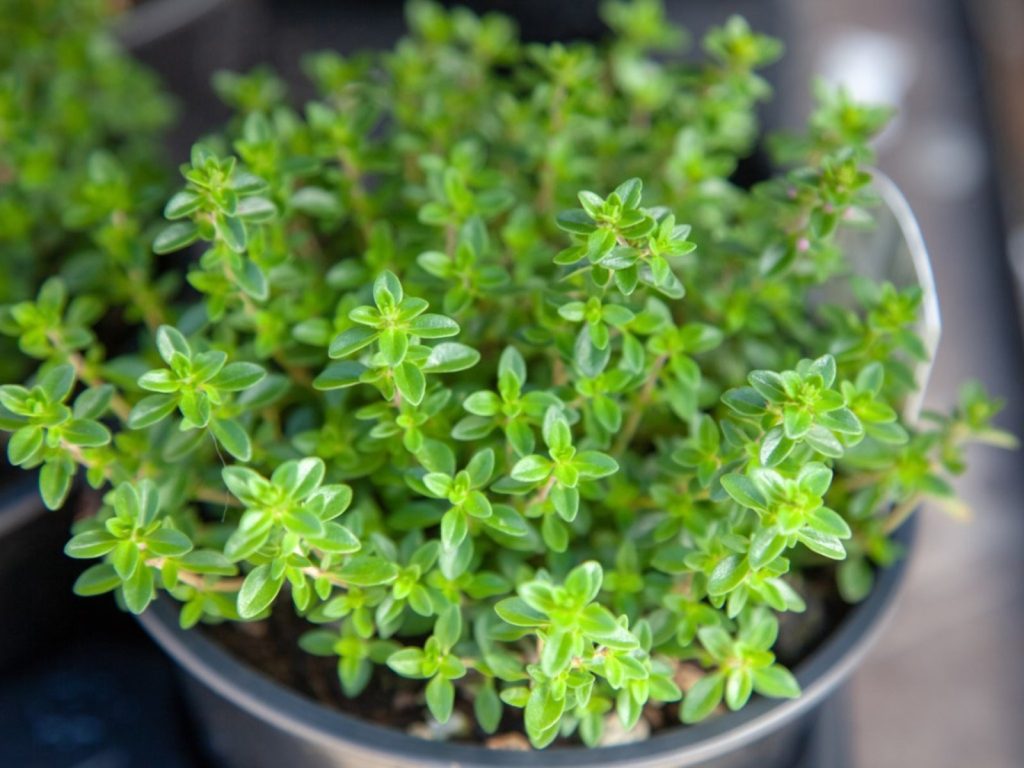
Thyme, a versatile herb known for its aromatic flavor and low-maintenance nature, is an excellent choice for indoor cultivation. Thriving in full to part sun and requiring well-draining soil, thyme is ideal for indoor gardening.
With a mature height ranging from 6 to 18 inches, this herb is drought-tolerant, needing less water than many other herbs. A staple in Mediterranean cuisine, thyme enhances a variety of dishes, from meats to vegetables.
To encourage bushiness and continuous growth, simply snip off sprigs as needed for harvesting. Whether grown from seeds, transplants, or cuttings, thyme flourishes best when placed in a spot receiving at least 6 hours of sunlight daily.
Grow thyme indoors for a flavorful and rewarding addition to your culinary adventures.
6. Oregano

Oregano, a fragrant herb commonly associated with Mediterranean cuisine, thrives indoors when provided with ample sunlight and well-draining soil.
This herb can be a delightful addition to your indoor herb garden, offering not only culinary benefits but also potential health advantages.
- Light: Ensure Oregano receives 6-8 hours of direct sunlight daily.
- Well-Draining Soil: Opt for a soil mix that allows excess water to drain freely to prevent root rot.
- Harvest: Pinch leaves or cut stems for optimal bushiness and flavor enhancement.
7. Rosemary
With the aromatic allure of Oregano still lingering in your indoor herb garden, let’s now shift our focus to Rosemary.
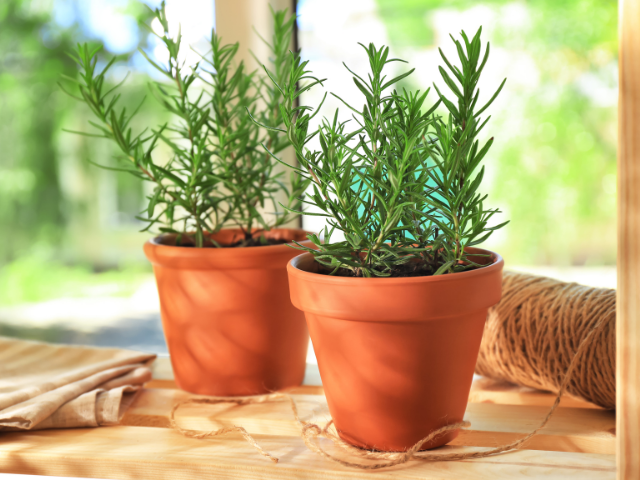
Rosemary (Salvia rosmarinus) is an herb that thrives in full sun and well-draining soil, reaching a height of 12 to 24 inches. This herb requires 6-8 hours of direct sunlight daily in a temperature range of 65-75°F for optimal growth.
Its needle-like leaves offer a distinct piney flavor, ideal for Mediterranean dishes. When growing Rosemary indoors, ensure regular watering, allowing the top inch of soil to dry between waterings to prevent root rot.
To maintain its bushy growth, prune stems above a leaf node and avoid removing more than one-third of the plant at a time. Placing it in a sunny window with suitable potting soil will help your Rosemary thrive.
8. Cilantro

Cilantro, also known as Coriandrum sativum, is an herb that thrives in full sun and well-draining soil, reaching heights of up to 36 inches.
When growing cilantro indoors, it’s crucial to provide cooler temperatures, ideally between 65-70°F, mimicking its preferred environment.
To ensure successful cultivation, remember to maintain regular watering, allowing the top inch of soil to dry between waterings to prevent root rot.
Harvesting cilantro involves cutting stems near the base without removing more than one-third of the plant at a time to promote continuous growth.
This herb is prized for its distinctive citrusy flavor commonly used in Mexican and Asian cuisines, adding a fresh and vibrant taste to a variety of dishes.
- Ensure optimal indoor growth conditions with cool temperatures.
- Maintain regular watering to prevent root rot.
- Harvest by cutting stems near the base to encourage continuous growth.
9. Tarragon

Tarragon, also known as Artemisia dracunculus, is a versatile herb prized for its narrow, aromatic leaves and distinctive licorice-like flavor, making it a sought-after ingredient in various culinary creations, particularly sauces and dressings.
This perennial herb thrives indoors with well-draining soil, cooler temperatures of 65-70°F, and 6 hours of light daily, making it an ideal choice for indoor herb gardens. Placing tarragon near a west-facing window ensures it receives adequate light for leaf production.
To maintain its growth, regular pruning is essential by pinching leaves or cutting stems. With a mature height of 12 to 18 inches, tarragon offers a continuous supply of fresh leaves year-round, providing a flavorful addition to your culinary endeavors.
10. Dill

To successfully cultivate dill (Anethum graveolens) indoors, it’s essential to provide the herb with ample sunlight, ideally at least 6-8 hours daily.
Dill, a versatile herb commonly used in soups and stews, requires attention to detail for optimal growth. Here are some key points to consider:
- Ensure the herb receives sufficient hours of direct sunlight to thrive.
- Regularly harvest dill by snipping outer stems to promote bushier growth.
- Maintain indoor temperatures between 65-75°F to prevent bolting and encourage healthy development.
Growing herbs like dill indoors can be a rewarding experience, especially when enjoying the fresh, tangy flavor it adds to culinary creations.