

Enhance your garden’s bee population by planting Lavender, Borage, Foxglove, Crocus, Heliotrope, Sunflower, Black-eyed Susan, Coneflower, and Phlox. Lavender offers fragrant nectar and easy bee access. Borage blooms abundantly and is low maintenance. Foxglove’s bell-shaped flowers attract bees in shade. Crocus provides early nectar post-hibernation. Heliotrope’s purple flowers support bees. Sunflowers feature rich nectar crucial for bees. Black-eyed Susan attracts bees, butterflies, and birds. Coneflowers are native late-season bee food sources. Lastly, Phlox offers colorful, fragrant blooms with extended nectar production. These flowers will help bees and add beauty to your garden.
1. Lavender
If you want to attract bees to your garden, consider planting lavender (Lavandula angustifolia), a fragrant flower known for its rich nectar content and delightful scent. Bees love lavender for several reasons. The purple flowers of lavender are not only visually appealing but also emit a fragrance that attracts bees from afar. Bees are naturally drawn to flowers with high nectar levels, and lavender provides a plentiful supply. The intricate shape of lavender flowers makes it easy for bees to access the nectar and pollen they seek.
To successfully grow lavender and attract bees, ensure it is planted in well-drained soil and receives full sun. Lavender is a hardy plant that can withstand various weather conditions, making it an excellent choice for bee-friendly gardens. Not only does planting lavender attract bees, but it also adds beauty and a pleasant aroma to your outdoor space. Consider adding lavender to your garden to create a welcoming environment for these essential pollinators.
2. Borage

Borage, scientifically known as Borago officinalis, is an annual plant distinguished by its clear blue star-shaped flowers that effectively attract bees to your garden. The vibrant blue flowers of borage act as a beacon for bees, drawing them in with their striking color and sweet nectar. These star-shaped flowers not only provide a visual delight but also serve as a rich food source for bees due to their abundant pollen and nectar.
Being an annual plant, borage completes its life cycle within a year, continuously producing bee-friendly blooms throughout the growing season. Its cucumber-flavored leaves are also a favorite among bees and other pollinators, making it a valuable addition to any bee-friendly garden. Once established, borage requires minimal maintenance and is drought-tolerant, ensuring a consistent supply of clear blue flowers to keep bees buzzing happily in your garden. Consider planting borage alongside other bee-friendly flowers to create a diverse and attractive environment that will benefit these essential pollinators.
3. Foxglove

Borage’s vibrant blue star-shaped flowers may capture the attention of bees, but another attractive option for these pollinators in your garden is Foxglove, scientifically known as Digitalis purpurea. Foxglove is a stunning plant with bell-shaped flowers that bloom in late spring, presenting a range of colors including enchanting shades of purple. This perennial beauty can thrive in shady spots, reaching impressive heights of up to 6 feet. Foxglove not only adds a vertical element to your garden but also acts as a beacon for bees, drawing them in with its nectar-rich blooms. Its resilience extends beyond its ornamental value, as Foxglove is notably resistant to pests. The reseeding capabilities of this plant ensure a continuous display of purple flowers, making it a must-have for any garden aiming to attract and support bee populations.
4. Crocus

Crocus flowers, with their vibrant hues and early blooming nature, serve as an essential nectar source for bees emerging from winter hibernation. These delicate flowers, emerging in the spring from bulbs planted in the fall, offer a crucial food source for bees during a time when nectar may be scarce. The attractive colors of crocus flowers, ranging from deep purples to sunny yellows, act as a beacon for bees seeking nourishment after the cold months.
5. Heliotrope

With fragrant purple, violet, or white flowers, heliotrope (Heliotropium arborescens) is a flowering plant known for its ability to attract bees to your garden. Here are some key points about heliotrope:
- Vibrant Purple Flowers: Heliotrope’s clusters of tiny, vivid purple flowers are a visual delight in any garden setting. These colorful blooms stand out and catch the eye of bees, drawing them in for pollination.
- Bee Magnet: Bees are naturally drawn to the fragrant scent of heliotrope flowers. The sweet aroma acts as a beacon, guiding bees to this plant for nectar and pollen, aiding in the pollination process and supporting the bee population in your garden.
- Ideal Growing Conditions: Heliotrope thrives in locations with full sun exposure and moist soil. Placing this plant in sunny areas with well-drained, consistently moist soil will ensure its growth and flowering, providing a welcoming environment for bees to visit and enjoy the nectar-rich blossoms.
6. Aster

Aster, a late flowering fall plant known for attracting bumblebee queens and butterflies, is a vital source of sustenance for bee populations in the late season. These plants produce an array of colors, including blue, lavender, pink, and white flowers. The white Aster blooms, in particular, are highly attractive to various bee species, drawing them in for their late summer nectar and pollen offerings.
One unique feature of the Aster flower is its central cone, which serves as a landing platform for bees and other pollinators. This cone-shaped structure provides easy access to the flower’s resources, making it a convenient feeding spot for bees. The purple blooms of the Aster stand out in the garden landscape, acting as beacons for bees seeking nourishment during the fall months.
7. Sunflower

A popular choice for attracting various bee species to your garden, sunflowers stand out with their large, vibrant blooms rich in nectar and pollen. These flowers not only add beauty to your outdoor space but also play a crucial role in supporting bee populations and overall ecosystem health. Here are some key features of sunflowers that make them a bee-friendly addition to your garden:
- Abundant Nectar: Sunflowers produce copious amounts of nectar, attracting bees with their sweet rewards for pollination.
- Pollen Richness: The pollen of sunflowers is a valuable food source for bees, providing essential nutrients for their development and survival.
- Towering Presence: With their tall stems and bright blooms, sunflowers act as beacons for bees, guiding them to a plentiful source of nectar and pollen.
8. Black-eyed Susan
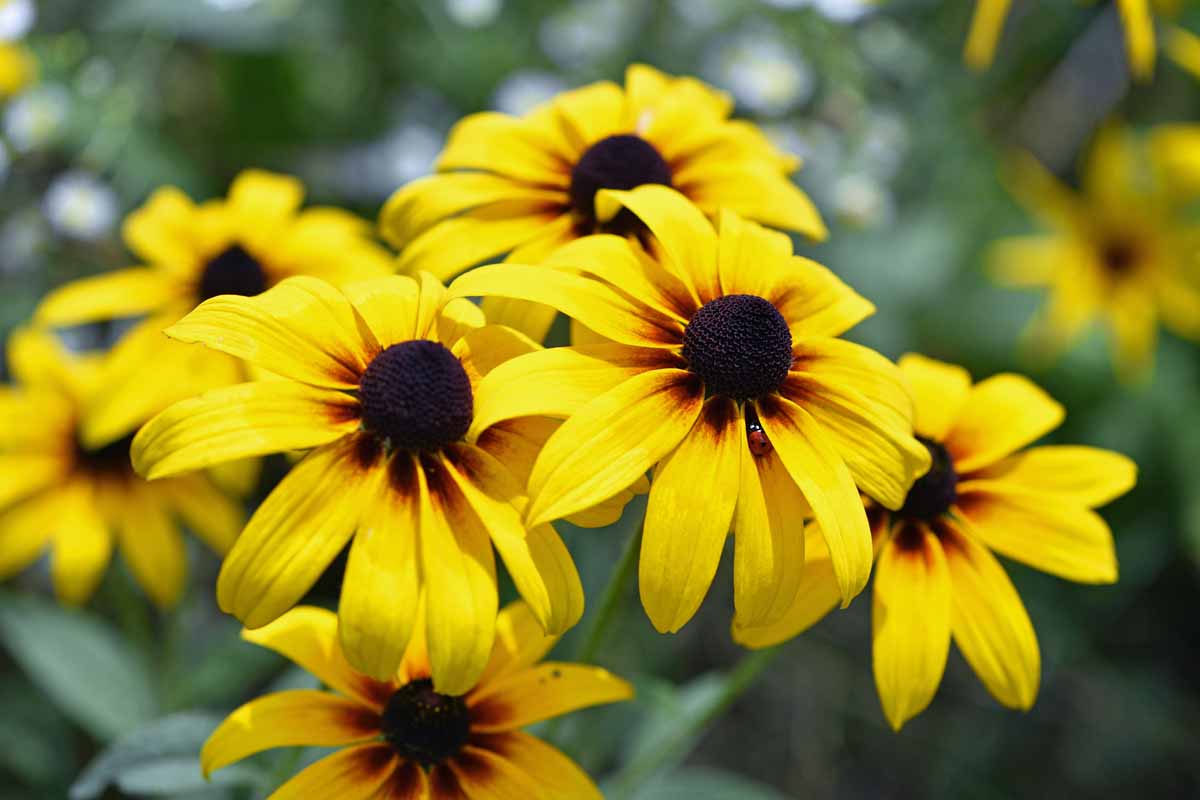
Bright and cheerful, Black-eyed Susan, scientifically known as Rudbeckia hirta, attracts bees, butterflies, and birds with its yellow petals and dark centers. This daisy-like flower blooms from early summer into fall, providing a vital food source for beneficial insects such as bees and butterflies. With its vibrant colors and attractive blooms, Black-eyed Susan adds a touch of beauty to garden landscapes while supporting local ecosystems.
Black-eyed Susan’s purple flowers bloom late in the season, extending the period of nectar and pollen availability for pollinators. Its resilience and drought tolerance once established make it an excellent choice for those seeking an easy-to-care-for plant that benefits the environment. By cultivating Black-eyed Susan in your garden, you not only create a visually appealing space but also contribute to the conservation of bees and butterflies, enhancing biodiversity in your surroundings. This flower serves as a beacon for beneficial insects, enriching your garden with life and color.
9. Coneflower

How do coneflowers, scientifically known as Echinacea purpurea, contribute to attracting bees to your garden? Coneflowers are excellent additions for bee-friendly landscapes due to their purple blooms that bloom late in the season. Here’s how they attract bees:
- Native Plants: Coneflowers are native to North America, making them well-suited to local bee populations. Bees are naturally drawn to native plants, as they have co-evolved and adapted to each other over time.
- Easy to Grow: These coneflowers are low-maintenance and easy to grow, making them a perfect choice for both experienced and novice gardeners. Their hardiness and adaptability ensure they thrive in various garden conditions, providing a reliable food source for bees.
- High Nectar Value: Coneflowers offer a rich source of nectar, attracting bees and butterflies to your garden. The purple hues of the coneflower blooms act as a visual beacon for pollinators, guiding them to these abundant nectar stores.
10. Phlox

Phlox, known for its colorful and fragrant blooms, is a nectar-rich flower that serves as a magnet for bees in gardens. These vibrant flowers come in shades of pink, purple, white, and red, enhancing the aesthetic appeal of any garden while also providing a vital food source for bees. Blooming from summer to fall, Phlox offers an extended period of nectar production, ensuring bees have a consistent supply of food.
For optimal growth and bee attraction, Phlox plants thrive in full sun exposure and well-drained soil conditions. This makes them a versatile addition to various garden settings, including borders, containers, or as ground cover. The attractiveness of Phlox to bees, coupled with its easy cultivation requirements, makes it a popular choice for gardeners looking to support pollinator populations. By incorporating Phlox into your garden, you can create a vibrant and bee-friendly environment that benefits both the bees and the overall ecosystem.