

If you’re looking to plant herbs throughout the year, I’ve detailed the 13 best options for each season. In spring, I recommend cool-weather herbs like cilantro, dill, and parsley. As summer hits, basil and mint thrive, bringing flavor to warm dishes. In the fall, chives and thyme are perfect for cooler temperatures. During winter, indoor herbs like basil and parsley keep your kitchen vibrant. Fast-growing herbs like dill and chives can also enhance your harvest. Stay tuned for a closer look at each herb to maximize your gardening success.
1. Spring Herbs for Cool Weather

As spring rolls in, I find it’s the perfect opportunity to plant cool-season herbs that flourish in the mild temperatures of this season.
Cilantro and dill are my favorites; they germinate quickly, with cilantro ready in just 50-60 days and dill in about 40.
Chives and parsley can also be sown early, allowing for a bountiful harvest before summer’s heat arrives.
2. Summer Herbs for Warm Temperatures

With spring herbs like cilantro and dill already flourishing, it’s time to turn our attention to the warm-season herbs that can thrive in the rising temperatures of summer.
Here are my top picks:
- Basil – loves warm weather and is ready in 50-60 days.
- Mint – spreads rapidly, perfect for culinary uses.
- Rosemary – thrives in well-draining soil and full sun.
3. Fall Herbs for Mild Conditions
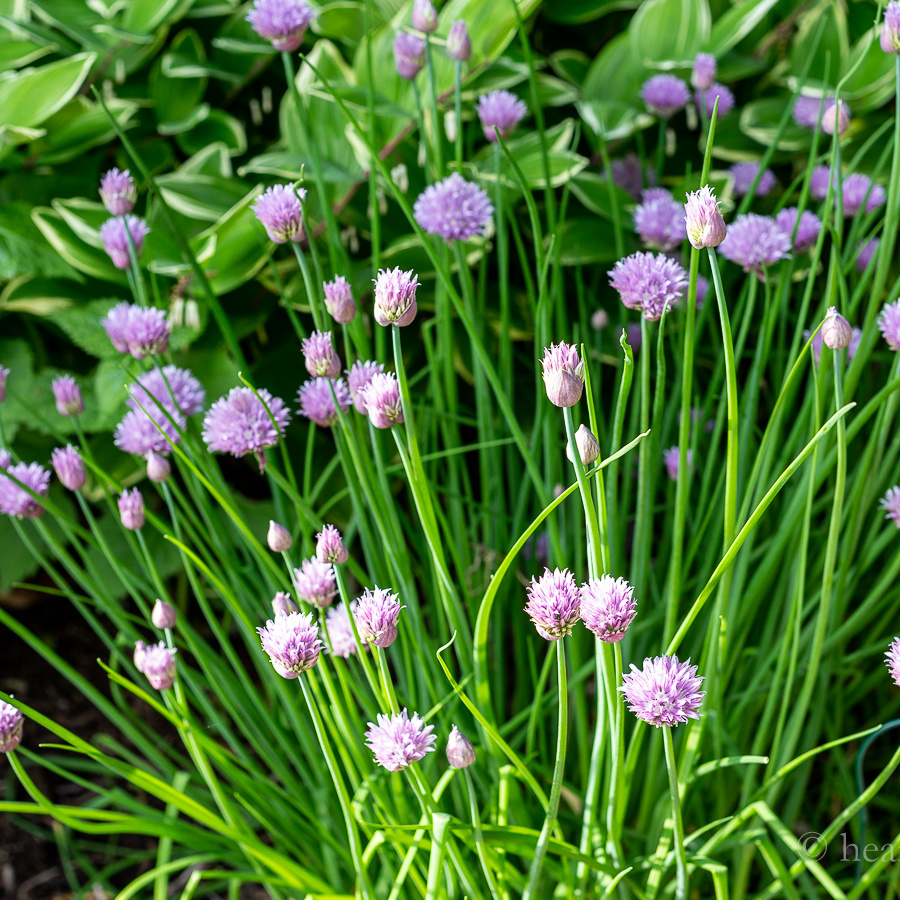
Autumn brings a unique opportunity for gardeners to cultivate a variety of cool-season herbs that thrive in milder temperatures.
Fall herbs like chives and thyme can be planted now, as they establish roots in well-drained soil.
Ensure they receive adequate sunlight, around 6 hours daily, to maximize growth.
These hardy perennials will provide fresh flavors throughout the season and into spring.
4. Winter Herbs for Indoor Growth

While fall herbs like chives and thyme offer a bounty during milder conditions, winter presents its own set of opportunities for indoor gardening.
I’ve found that the following indoor herbs thrive during this season:
- Basil plants
- Mint plants
- Parsley
Maintaining a humidity level of 40-60% and ensuring regular watering promotes healthy growth, allowing me to enjoy fresh herbs all winter long.
5. Fast-Growing Herbs to Start

When I’m looking to add fresh flavors to my kitchen quickly, fast-growing herbs are always my go-to choice.
Dill is the fastest, ready in just 40 days. Basil, cilantro, chives, and mint follow closely, maturing in about 50-60 days.
Using starter plants accelerates results, allowing for frequent harvesting and versatile culinary applications, plus some herbs for their flowers add beauty to my garden.
6. Perennial Herbs for Year-Round Use

Perennial herbs are a gardener’s best friend, providing fresh flavors and aromas throughout the year.
Here are three top choices for your garden:
- Rosemary: Versatile in both upright and prostrate forms.
- Thyme: Offers drought resistance, ideal for low-maintenance gardening.
- Chives: Can be harvested multiple times, enhancing your dishes.
Regular pruning keeps these herbs thriving and flavorful season after season.
7. Culinary Herbs for Flavor

Discovering the right culinary herbs can elevate your cooking and bring vibrant flavors to your dishes.
The best herbs to plant include warm-season herbs like basil, which needs six hours of sunlight a day, and cool-season herbs like cilantro, ideal for early spring.
Don’t forget rosemary for Mediterranean dishes, dill for pickles, and chives for a mild onion flavor in your herb garden.
8. Medicinal Herbs for Health Benefits
Medicinal herbs offer a treasure trove of health benefits that can enhance overall well-being.
I’ve found these three herbs particularly effective:
- Chamomile: Promotes relaxation and aids sleep.
- Peppermint: Alleviates digestive issues and headaches.
- Echinacea: Boosts the immune system during cold season.
Incorporating ginger and lavender can also support digestive health and reduce anxiety, respectively.
Embrace the power of medicinal herbs!
9. Herbs That Attract Pollinators

Creating a thriving garden goes beyond just growing plants for personal health; it also involves fostering a vibrant ecosystem.
I’ve found that herbs that attract pollinators, like Bee Balm with its vivid blooms, Dill and Fennel’s summer nectar, and the aromatic Rosemary, enhance biodiversity.
African Basil and Borage also contribute beauty and attract beneficial insects, making them essential additions to any herb garden.
10. Soil Requirements for Herbs
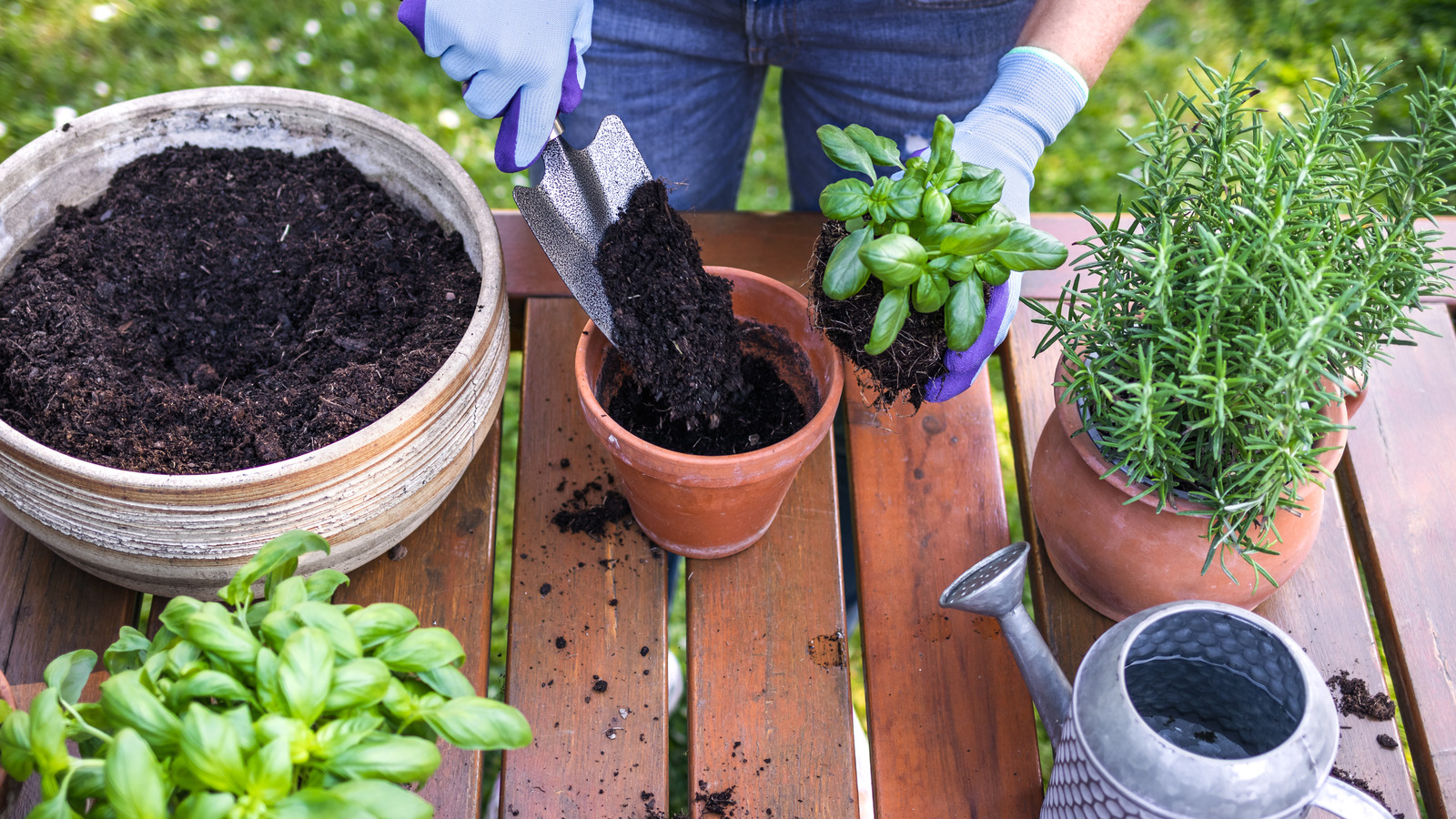
When it comes to growing herbs successfully, understanding soil requirements is crucial. Herbs prefer well-drained soil to avoid root rot and thrive.
Here are key considerations for optimal soil conditions:
- Ensure a pH of 6.5 to 7.5 through soil testing.
- Incorporate organic matter like compost for fertility.
- Use raised beds or gravelly mulch for good drainage.
These practices will boost your herb garden!
11. Watering Practices for Herbs

After establishing the right soil conditions for herbs, the next vital aspect of herb cultivation is mastering proper watering practices.
Herbs grow best with consistent moisture in well-drained soil, so I ensure thorough watering that penetrates deep. Container-grown herbs need more frequent watering.
I prefer morning watering to minimize evaporation, promoting healthy growth and avoiding root rot from overwatering.
12. Harvesting Techniques for Optimal Growth
Effective harvesting techniques play a crucial role in ensuring the optimal growth of your herbs. Here are three key strategies:
- Regular harvesting promotes compact growth, focusing energy on new foliage instead of flowering.
- Optimal harvesting time is in the morning for concentrated oils.
- Maintain seasonal awareness; cool-season herbs peak in May and should be harvested before flowering for the best flavor.

13. Tips for Successful Herb Gardening
Successful herb gardening hinges on a few essential practices that can significantly enhance your results.
Choose the right herbs to grow based on the season, ensuring they receive full sun for at least six hours daily.
Use well-drained soil for successful growth, engage in regular harvesting, and monitor for pests to keep your plants healthy and thriving.